Knowledge
Magazine
-

Oura vs Whoop vs Apple Watch: The Quantified Scientist on What the Accuracy Data Shows
15 min read
-

The Complete Guide to Testosterone Optimization — Part 3: Stress, Psychology, and Purpose
9 min read
-

Dr. David Barzilai: A Harvard Medical School Lecturer on the Five Health Habits Worth Your Time
18 min read
Weekly picks on longevity, brands, and health science. No spam—unsubscribe anytime.
Tools
- →The 30s Longevity Guide for Women
- →Postpartum Recovery Guide
- →Perimenopause Longevity Guide
- →Dopamine Reset Guide
- →Pregnancy Longevity Guide
- →Peptide Guide
- →Home Detox Guide
- →Slow Aging Guide
- →Pro Supplement Guide
- →Safe Supplement Guide
- →Bio Age Calculator
- →Blood Testing Guide
- →Deep Sleep Guide
- →Pro Longevity Dashboard
By Category
By Goal
Knowledge
- →What is Longevity?
- →Improve diet
- →More focus
- →Look younger
- →Lose weight
- →Track biomarkers
- →Improve sleep
- →Build muscle
- →Increase cardio
- →Detect diseases
- →Recover faster
- →Relieve stress
Magazine
-
Oura vs Whoop vs Apple Watch: The Quantified Scientist on What the Accuracy Data Shows
15 min read
-
The Complete Guide to Testosterone Optimization — Part 3: Stress, Psychology, and Purpose
9 min read
-
Dr. David Barzilai: A Harvard Medical School Lecturer on the Five Health Habits Worth Your Time
18 min read
Weekly picks on longevity, brands, and health science. No spam—unsubscribe anytime.
Brands
- →Apps
- →At Home Tests & Kits
- →Events
- →Experts & Clinics
- →Foods & Beverages
- →Gadgets & Equipment
- →Gyms & Workouts
- →Supplements
- →Travel & Retreats
- →Wearables & Trackers
Tools
- →The 30s Longevity Guide for Women
- →Postpartum Recovery Guide
- →Perimenopause Longevity Guide
- →Dopamine Reset Guide
- →Pregnancy Longevity Guide
- →Peptide Guide
- →Home Detox Guide
- →Slow Aging Guide
- →Pro Supplement Guide
- →Safe Supplement Guide
- →Bio Age Calculator
- →Blood Testing Guide
- →Deep Sleep Guide
- →Pro Longevity Dashboard

Discover
Connect
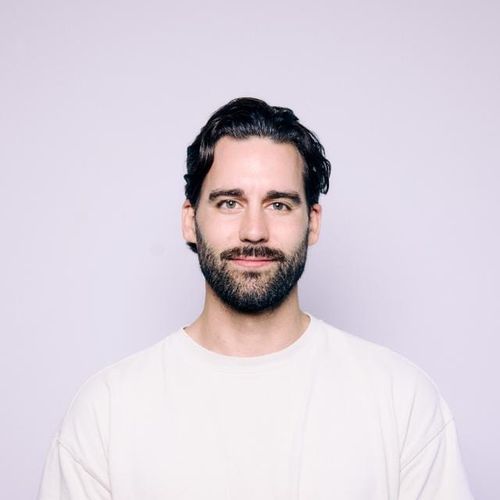
Marco Kerhsenfischer
Level 1
Head of Health & Performance Coaching @ Accelerate Health; Psychologist (M.Sc.), systemic Counsellor (DGSF), systemic Stressmanagementtrainer (SG/DGSF), Integrative Couple Therapist (IIP), HRV Coach (HMI), 48h-HRV Screening & Interpretation (mesana)


Wearables & Trackers


My Routines
-Wake up ~7am, daylight exposure
-10 min coherence breathing
-Oil pulling with coconut oil
-5 min lymphatic flow work
-Cold plunge 3°C, 2 to 5 min + breathwork
-Red light therapy 10 to 20 min
-Copper peptide tallow, reading, breakfast
During the workday
-Short coherence breathing sessions between work blocks
-Shakti mat
-Evening wind-down: stretching + breathwork
Strength training — 2 to 4x per week
-Cold plunge 0 to 3°C, ~5 min + coherence breathing
-Red light therapy ~10 min
-Freeletics Hybrid Journey
-Infrared sauna + red light afterwards
-Total: ~90 min
Cardio — 1 to 3x per week
-Padel tennis + sauna and cold plunge after
-VO₂max at 3x per week: 60 to 65
-VO₂max at 1x per week: 50 to 55
-Winter: snowboarding
Rest days — 1 to 3x per week
-Contrast therapy: sauna, cold, red light, multiple rounds
-Reboots ONE, Blackroll, Shaktimat + NSDR
-SkillYoga, Pliability
Daily baseline
-15,000 steps (walking or desk treadmill)
-Daylight during the day, circadian lighting + blue-light blockers in the evening
-2 to 3 freshly cooked meals, adequate protein
-Green tea throughout the day (Japanese, Pu-Erh, Oolong)
Supplements
-Sleep stack: Apigenin, Magnesium L-Threonate, L-Theanine, Inositol
-Gut motility stack: Vitamin B6, Ginger Extract, L-Carnitine, Artichoke Extract
-Anti-inflammatory stack: Vitamin D & K2, Bromelain, Nattokinase, Curcuma
-Daily foundation: Creatine, Omega-3, Zinc, Copper, NMN, Glycine, NAC
Everything is taken in intervals with deliberate breaks in between, no compound runs year-round.
Cheat days from time to time, fully deliberate.
One thing worth saying for anyone who read this far: none of this is fixed. I adjust it every single day based on how I actually feel: sleep quality, HRV, energy, what life looks like that day. What you see above is the framework, not the rule. Some days almost none of it happens, and that's usually exactly the right call for me.