


Hyperbaric Oxygen Therapy and Longevity: What the Science Actually Shows

You’ve probably heard about it. A chamber, pressurised oxygen, claims about reversing biological age. Maybe someone you respect mentioned it, or you’ve seen it appearing in longevity circles with increasing regularity. The question is reasonable: does it actually work?
The answer is yes, with important nuance. The evidence is real, the mechanisms are well-established, and results can be measurable when protocols are followed consistently. But hyperbaric oxygen therapy is not a shortcut, and it needs personalisation.
What Hyperbaric Oxygen Therapy Actually Does
In ordinary life, you breathe air containing approximately 21% oxygen at normal atmospheric pressure. Most of that oxygen travels by haemoglobin in red blood cells; only a tiny fraction, roughly 0.3 ml per 100 ml of blood, dissolves freely into plasma.
Inside a hyperbaric chamber, you breathe 90 to 95% oxygen in a gently pressurised environment. At higher pressure, more gas dissolves into liquid (Henry’s Law). Dissolved oxygen in plasma rises to approximately 5 to 6 ml per 100 ml, which is 15 to 20 times the normal amount, circulating freely without haemoglobin.
This allows oxygen to reach tissues where circulation is reduced due to stress, inflammation, ageing or injury, triggering a cascade of repair: improved mitochondrial energy production, enhanced vascular health, stem cell mobilisation and reduced chronic inflammation.
Hyperbaric medicine has roots going back to 1662, but its clinical foundation was established in the 1950s by Dutch surgeon Dr. Ite Boerema, whose work with cardiac surgery patients demonstrated that oxygen under pressure dissolves directly into blood plasma. By 2020, longevity research had caught up.
The Evidence That Changed the Conversation
Free Guide: Bio Age Calculator
Your Bio Age Is More Accurate Than Your Birthdate
(Even if you’ve never tracked anything before)
By subscribing you will also be signed up for the New Zapiens newsletter
25,000+ Downloads • 100% Free

In 2020, a research team led by Professor Shai Efrati at Tel Aviv University published clinical trial findings in adults over 64: a 20 to 38% increase in telomere length across multiple immune cell types, and up to a 37% reduction in senescent cells. To understand why that matters, it helps to know what is being measured.
Telomere attrition, cellular senescence and mitochondrial dysfunction are three of the most foundational mechanisms through which biological ageing occurs:
- Telomeres are the protective caps at the ends of chromosomes. They shorten with every cell division; when critically short, cells lose the ability to replicate accurately. Longer telomeres are consistently associated with healthier, more youthful cellular function.
- Senescent cells are aged and dysfunctional. They can no longer divide but refuse to die, releasing inflammatory signals that damage surrounding tissue and accelerate ageing. Clearing them is a central target of longevity research.
- Mitochondrial dysfunction describes the progressive decline of the structures responsible for producing ATP, the body’s energy currency. As mitochondria become less efficient, less energy is available for repair and regeneration. HBOT supports mitochondrial function by providing the oxygen-rich environment in which they operate best.
A separate European study in healthy adults found no increase in oxidative stress or inflammatory markers after repeated sessions, directly addressing the concern that elevated oxygen exposure could cause harm. Reactive oxygen species in immune cells actually reduced.
Bryan Johnson documented 60 sessions in 90 days as part of his longevity protocol and publicly shared self-tracked markers, including reductions in inflammation indicators and improvements in vascular measures. His data is anecdotal and self-reported rather than independently verified, but it illustrates the level of personal investment serious longevity practitioners are placing in this intervention.
What I Monitor in My Own Biology
I have spent thirty years testing everything I recommend on myself first. In my early fifties, I began noticing changes I was not willing to accept as inevitable: energy dipping, recovery slowing, mental clarity slightly off. As an elite skier and ski tourer, I kept hitting a ceiling at altitude. After implementing a consistent HBOT protocol, I reached my highest-ever elevation on Mount Olympus while ski touring at 55, performing at a level I could not match in my thirties.
The markers below are what I track personally as part of a broader longevity approach. I share them not as proof of HBOT efficacy, since my results reflect an integrated protocol of which HBOT is one central pillar, but as an example of the monitoring I believe is essential for anyone serious about their biology:
- HDL cholesterol: 92 mg/dl, functioning as a metabolic and anti-inflammatory transport system, supporting endothelial health.
- CRP (systemic inflammation): 0.57. Very low. Chronic inflammation is a primary driver of accelerated biological ageing.
- GGT (liver and metabolic health): 19, a strong signal of metabolic function and lower cardiovascular risk.
- eGFR (kidney filtration): 112. Values above 100 are typically associated with physiology ten to twenty years younger.
At 56, my biological age markers read consistently closer to my mid-forties. Energy is higher than a decade ago; recovery is faster.
Five Recommendations if You’re Considering HBOT
1. Test first. Don’t guess.
Establish a comprehensive baseline before you start: biological age markers, key blood panels (CRP, HDL, GGT, fasting glucose, eGFR, homocysteine), hormone panels (oestrogen, testosterone, DHEA, cortisol), and micronutrients (D3, B12, magnesium, ferritin). Without a baseline, you cannot measure progress.
2. Consult a medical practitioner before starting.
HBOT has a strong safety profile, but low risk does not mean no risk or right for everyone. Someone medically trained needs to understand your full health picture, including any contraindications, before you begin.
3. Commit and stay consistent.
One-off sessions will not shift your biological age. The research is built on structured protocols of consistent repetition over weeks. For longevity outcomes, markers move on a longer timeline. Test regularly so you can see what is actually happening.
4. Choose equipment and support carefully.
The home hyperbaric market has grown quickly and quality varies. Look for medical-grade materials, appropriate safety certifications, and whether medical guidance and ongoing support come with the equipment. A chamber without a protocol is just a piece of kit.
5. Find your joy in all of this.
The longevity community can become a relentless pursuit of optimisation, and at a certain point that pursuit starts to cost you the very thing you are trying to protect: your quality of life. Technology and data should enhance your life, not dictate it. Human connection is itself a longevity intervention that no chamber, supplement or protocol can replace.
The next time you take a breath, remember: oxygen may be the most important longevity tool you have never fully used.
References
Free weekly newsletter
Your weekly brief on
living longer – without
overhauling your life
10,000+ readers get smarter about their health every Thursday. Join them.
- Science broken down for real life
- Daily health routines from leading experts
- Free health guides & tools every week
No spam. Unsubscribe anytime.
Read by 10.000+ health-conscious readers.


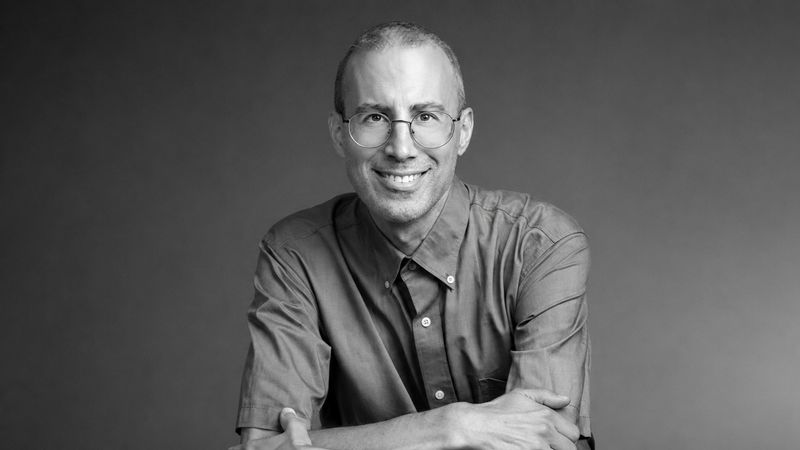
Author: Dr Katrin Dreissigacker
I am a physician and Co-Founder of EpigenEdit, a Swiss longevity and wellness company specialising in hyperbaric oxygen therapy (HBOT) for health, performance and vitality at every age. I work with individuals navigating the physical and cognitive demands of modern life and aging, as well as athletes seeking practical, evidence-informed support rather than abstract promises. I am an elite skier and ski tourer, and recently started playing tennis.