Knowledge
Magazine
-
The Summer Health Kit: Supplies and Gadgets for Hot Days and Warm Nights
9 min read
-

Oura vs Whoop vs Apple Watch: The Quantified Scientist on What the Accuracy Data Shows
15 min read
-

The Complete Guide to Testosterone Optimization — Part 3: Stress, Psychology, and Purpose
9 min read
Weekly picks on longevity, brands, and health science. No spam—unsubscribe anytime.
Tools
- →The 30s Longevity Guide for Women
- →Postpartum Recovery Guide
- →Perimenopause Longevity Guide
- →Dopamine Reset Guide
- →Pregnancy Longevity Guide
- →Peptide Guide
- →Home Detox Guide
- →Slow Aging Guide
- →Pro Supplement Guide
- →Safe Supplement Guide
- →Bio Age Calculator
- →Blood Testing Guide
- →Deep Sleep Guide
- →Pro Longevity Dashboard
By Category
By Goal
Knowledge
- →What is Longevity?
- →Improve diet
- →More focus
- →Look younger
- →Lose weight
- →Track biomarkers
- →Improve sleep
- →Build muscle
- →Increase cardio
- →Detect diseases
- →Recover faster
- →Relieve stress
Magazine
-
The Summer Health Kit: Supplies and Gadgets for Hot Days and Warm Nights
9 min read
-
Oura vs Whoop vs Apple Watch: The Quantified Scientist on What the Accuracy Data Shows
15 min read
-
The Complete Guide to Testosterone Optimization — Part 3: Stress, Psychology, and Purpose
9 min read
Weekly picks on longevity, brands, and health science. No spam—unsubscribe anytime.
Brands
- →Apps
- →At Home Tests & Kits
- →Events
- →Experts & Clinics
- →Foods & Beverages
- →Gadgets & Equipment
- →Gyms & Workouts
- →Supplements
- →Travel & Retreats
- →Wearables & Trackers
Tools
- →The 30s Longevity Guide for Women
- →Postpartum Recovery Guide
- →Perimenopause Longevity Guide
- →Dopamine Reset Guide
- →Pregnancy Longevity Guide
- →Peptide Guide
- →Home Detox Guide
- →Slow Aging Guide
- →Pro Supplement Guide
- →Safe Supplement Guide
- →Bio Age Calculator
- →Blood Testing Guide
- →Deep Sleep Guide
- →Pro Longevity Dashboard

Discover
Connect
Community Discussions
Improving on the mask of the calibre biometrics

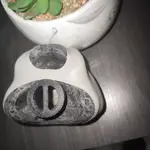
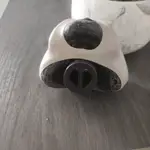
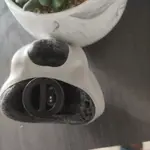
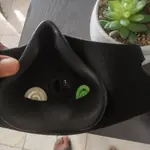
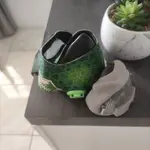
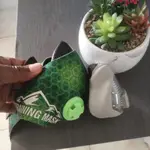
Hello Calibre Bio users. Was thinking about this for a long time. Finally let a friend , 3d scan the calibre mask and 3d print an adapter to use it on a elevation training mask I had around. No more problems with sweat and less breath condensation in the calibre mask itself. I noticed more condensation in the elevation mask. Im an amateur mtbiker. So I train a lot with the calibre indoors, but every time I take the mask of to wipe my face off sweat, it skrewup the measurement, a little bit. But now I noticed a more presicely measurements. Today I did a 45min session and have Chatgpt calculate my oxigen uptake at 180w (last 10 min of the ride) and gave everything to Chatgpt (weight , room temp , humidity) and loaded my ride fit file and the openspiro CSV file , chatgpt told me it is reasonable in the range. So I think this is an improvement. The only con I can think of is the CO2 rebreathing , but on the indoor trainer I didn't felt anything , it felt great. What do you think?
Hello Calibre Bio users. Was thinking about this for a long time. Finally let a friend , 3d scan the calibre mask and 3d print an adapter to use it on a elevation training mask I had around. No more problems with sweat and less breath condensation in the calibre mask itself. I noticed more condensation in the elevation mask. Im an amateur mtbiker. So I train a lot with the calibre indoors, but every time I take the mask of to wipe my face off sweat, it skrewup the measurement, a little bit. But now I noticed a more presicely measurements. Today I did a 45min session and have Chatgpt calculate my oxigen uptake at 180w (last 10 min of the ride) and gave everything to Chatgpt (weight , room temp , humidity) and loaded my ride fit file and the openspiro CSV file , chatgpt told me it is reasonable in the range. So I think this is an improvement. The only con I can think of is the CO2 rebreathing , but on the indoor trainer I didn't felt anything , it felt great. What do you think?
Please sign in to post a reply.