


Longevity Rave: The Science Behind Dancing Together
You have probably heard that social connection is good for you. What you may not know is how good, or why.
A large-scale meta-analysis published in PLOS Medicine found that social isolation and loneliness are associated with a significantly increased risk of early death, comparable to smoking 15 cigarettes a day. That finding has been replicated across decades of follow-up research. It is one of the most robust signals in longevity science, and it is almost entirely absent from most health protocols.
We track VO2max, HRV, sleep scores, and lipid panels. We optimise light exposure and supplement stacks. But the variable that rivals smoking as a mortality risk factor rarely appears on a dashboard.
Longevity Rave was built around a simple provocation: what if one of the most powerful longevity interventions available is also one of the most enjoyable, and what if it can be measured?
What Is Longevity Rave?
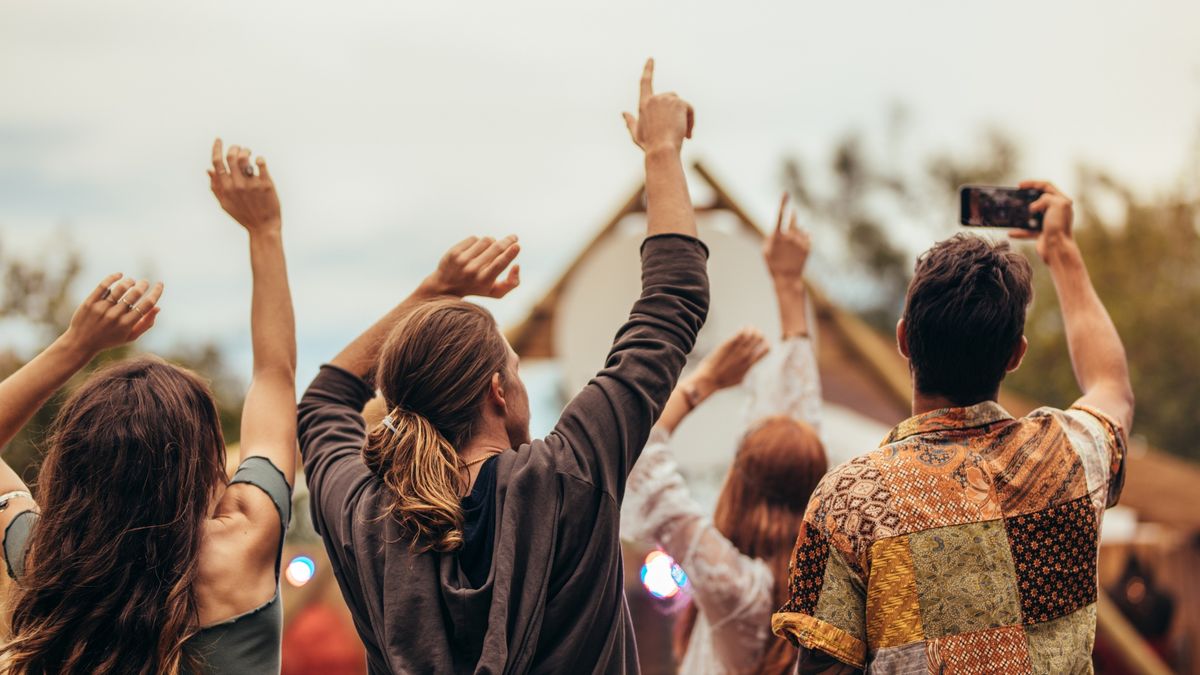
Longevity Rave is a structured group experience designed around music, movement, and intergenerational connection. It is not a nightclub and it is not a fitness class. It is a purpose-built environment where the variables known to produce measurable physiological effects, rhythm, synchronised movement, social bonding, sensory engagement, are deliberately combined and tracked.
The concept emerged from an observation that dancefloors, across cultures and throughout history, reliably produce a state that looks remarkably similar to what many people spend thousands trying to engineer through health protocols: reduced stress, genuine human connection, emotional release, and a felt sense of aliveness that persists well beyond the experience itself.
Free Guide: Slow Aging Guide
6 Easy Practices to Start Now
(Even if you’re short on time or motivation)
By subscribing you will also be signed up for the New Zapiens newsletter
25,000+ Downloads • 100% Free
The difference is that Longevity Rave treats this as a research environment, not a social one. The question is whether what happens on the dancefloor can be quantified well enough to sit alongside the markers already used to track healthspan.
The Biology of Moving Together
The science behind why shared movement affects health is more developed than most people realise. When people move to rhythm together, heart rate patterns can align, neural activity may converge, and movement becomes coordinated. Researchers call this co-regulation, and it has measurable downstream effects on stress response, inflammatory tone, and recovery capacity.
Experimental studies have shown that synchronised movement increases social bonding and cooperative behaviour. Group dance interventions have been associated with reduced dementia risk and improved cognitive outcomes in longitudinal research, including a study published in the New England Journal of Medicine in 2003. The mechanism is not purely psychological. Synchronised physical activity modulates the autonomic nervous system, shifts inflammatory signalling, and triggers the release of endorphins and oxytocin in ways that solo exercise does not replicate.
Steven Cole's research at UCLA has shown that chronic loneliness shifts gene expression toward increased inflammatory signalling and reduced antiviral response. These are not temporary mood effects. They are durable molecular changes that accumulate over time the same way that sleep deprivation or environmental toxin exposure does. Shared physical experience appears to work in the opposite direction.
The Intergenerational Dimension
One of the more distinctive features of Longevity Rave is the deliberate mixing of generations. Modern life tends to segment people by age: workplaces, social environments, fitness spaces, and digital platforms all filter for demographic similarity. The health consequences of this are underexplored.
Intergenerational connection is associated with reduced cognitive decline, improved sense of purpose, and lower rates of depression in both younger and older participants. On the dancefloor, the social hierarchies and age-related assumptions that structure most environments dissolve. What replaces them is shared rhythm and shared presence, which appears to produce a different quality of connection than same-age socialising.
Tina Woods came to DJing in her sixties, after a period of intense career and health focus. Yukari Takehisa approached the same dancefloor from an anthropological background, having spent years studying how shared movement dissolves social barriers. Their intergenerational partnership is itself a demonstration of the concept they are researching.
Measuring It: The JoyScore Experiment
The JoyScore Experiment is the research framework built around Longevity Rave. It is designed to treat joy, connection, and shared movement as measurable biological exposures rather than subjective experiences, and to track how those exposures produce effects across different time scales.
The framework combines real-time ecological momentary assessment, tracking connection, affect, meaning, and recovery in the moment, with wearable-derived physiological signals including HRV, cardiac synchrony, and movement coordination. These are measured alongside established longevity biomarkers: salivary stress markers, metabolomics, and epigenetic ageing signals. The aim is to examine whether the effects of designed social experiences show up in the biology with enough consistency and precision to be clinically meaningful.
Preliminary findings from the experiment are being presented at the Global Exposome Summit in April 2026. The study is designed as an open science project, with the intention of building a dataset that the broader research community can access and build on.
What This Means for How You Think About Your Health
If you are already optimising your sleep, training around VO2max, and tracking your biomarkers, you are doing more than most. But the longevity literature is consistent on one point that most protocols ignore: social disconnection drives inflammation, and inflammation blunts the response to almost every other intervention.
A protocol built entirely around individual optimisation is missing an upstream lever. The evidence suggests that genuine social connection, particularly the kind generated by shared physical experience, is not a reward you earn after sorting out the clinical stuff. It is part of the clinical picture.
Longevity Rave is one attempt to make that lever accessible, measurable, and repeatable. The deeper argument is that a complete longevity model has to account for the conditions that allow people to actually flourish, not just the biomarkers that predict how long they survive.
The Bigger Question
Longevity research has made significant progress on the biology of metabolism, cardiovascular health, and cellular ageing. The next frontier is the biology of experience: how the quality of our social lives, the presence of genuine connection, and the experience of shared joy shape our biology over time.
Longevity Rave is asking whether that can be designed, measured, and replicated at scale. The answer matters, because if it can, it changes what a longevity protocol actually looks like.
This article was co-authored by Tina Woods, CEO and Founder of Collider Health, Co-Founder of Longevity Rave, Scientific Lead of the JoyScore Experiment, and Executive Director of the International Institute of Longevity, and Yukari Takehisa.
References
Free weekly newsletter
Your weekly brief on
living longer – without
overhauling your life
10,000+ readers get smarter about their health every Thursday. Join them.
- Science broken down for real life
- Daily health routines from leading experts
- Free health guides & tools every week
No spam. Unsubscribe anytime.
Read by 10.000+ health-conscious readers.


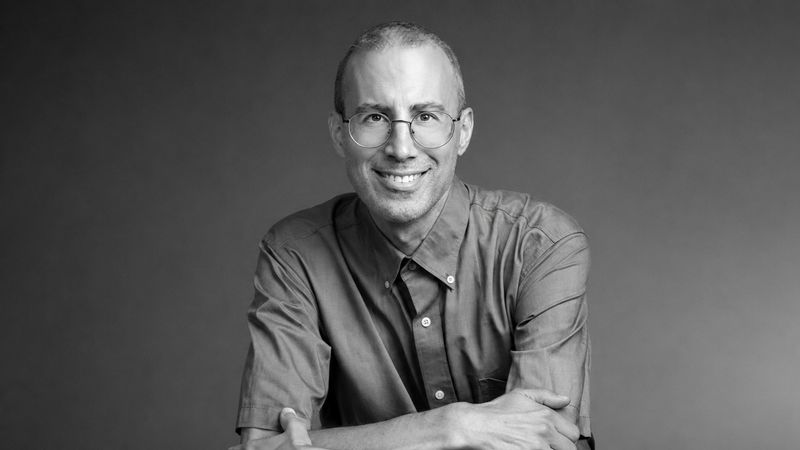
Author: Yukari Takehisa
DJ and Co-founder of Longevity Rave, building at the intersection of music, human connection, and longevity science.